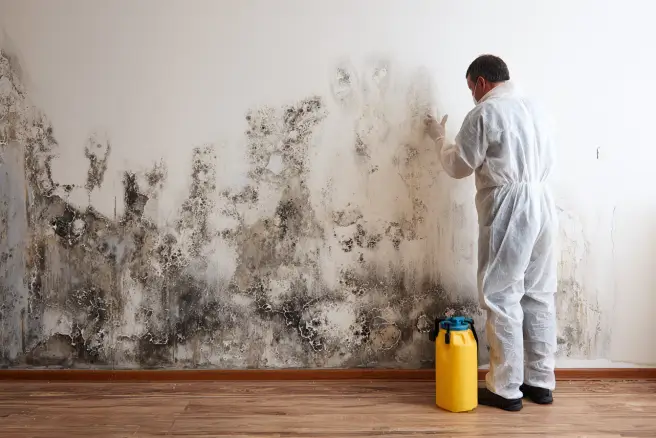
While some small-scale mold issues can be managed with DIY methods, certain situations warrant the expertise of a professional mold removal service. Understanding when to seek help from experts is key to safeguarding your home and well-being.
Signs It’s Time to Call a Professional
- If the mold covers an area larger than 10 square feet, it is often beyond the scope of DIY cleaning. Large infestations require specialized equipment and treatment protocols.
- Persistent mold growth, despite repeated cleaning efforts, indicates an underlying issue such as moisture intrusion or poor ventilation that needs expert assessment.
- If you or your family members experience respiratory problems, allergies, headaches, or skin irritation in conjunction with visible mold, professional testing and remediation are essential.
- Visible signs like discoloration on walls or ceilings may indicate hidden mold behind drywall, under flooring, or within HVAC systems that require advanced detection techniques.
- Homes with a history of flooding, roof leaks, or plumbing issues are at higher risk for mold problems. Professionals can assess areas prone to hidden moisture accumulation.
- A persistent musty smell could signal mold growth in unseen areas like attics, basements, or crawl spaces that need thorough inspection by experts.
Benefits of Hiring a Professional Mold Remediation Service
| Benefit | Description |
| Advanced Equipment | Professionals use tools like HEPA vacuums and air scrubbers to remove spores and improve air quality effectively. |
| Thorough Inspection | Experts identify not only visible mold but also hidden colonies using specialized techniques such as infrared moisture scans and air sampling. |
| Long-Term Prevention | They address underlying causes like leaks or poor ventilation to prevent future outbreaks rather than offering temporary fixes. |
| Health Protection | Certified professionals follow safety protocols to minimize exposure during removal processes for both occupants and technicians involved. |
Risks of Delaying Professional Assistance
- Structural Damage:Over time, unchecked moisture allows fungi to break down building materials such as wood and drywall.
- Increased Costs:Delayed remediation often results in more extensive repairs being needed.
- Health Complications:Prolonged exposure may exacerbate respiratory conditions like asthma or lead to severe allergic reactions.
- Reduced Property Value:Evidence of unresolved mold problems can deter potential buyers during resale inspections.
How Professionals Approach Mold Removal
- Conducting a detailed inspection using tools like thermal imaging cameras.
- Containing affected areas with physical barriers (e. g. , plastic sheeting) and negative air pressure systems.
- Safely removing contaminated materials while adhering to industry safety standards.
- Cleaning surfaces with antimicrobial solutions and applying sealants where necessary.
- Ensuring proper drying using industrial-grade dehumidifiers before final clearance testing.
By recognizing when professional intervention is required for mold removal you protect your property investment while ensuring the health of everyone living within it.
Effective Mold Removal Services Florida Residents Can Trust
While minor mold problems can often be managed with DIY solutions, there are instances where professional help is essential. Knowing when to seek expert assistance can save you time, money, and prevent further complications. Below are guidelines to help you determine when it’s time to call a professional mold removal service.
How to Choose the Best Mold Removal Company Florida Residents Trust
- If the mold covers an area larger than 10 square feet, it’s best to consult a professional. Extensive growth often indicates underlying issues like water damage that require specialized treatment.
- Repeated mold outbreaks may signal unresolved moisture issues or improper cleanup techniques. Professionals can identify and address the root cause of the problem.
- When mold damages walls, ceilings, insulation, or flooring, expert intervention is necessary to assess and repair structural integrity while removing the contamination effectively.
- If household members experience symptoms such as allergies, respiratory problems, skin irritation, or worsening asthma that correlate with mold presence, consider hiring experts for proper removal.
- Visible signs of water damage or a persistent musty odor may indicate hidden mold growth within walls or other inaccessible areas that require specialized tools for detection and cleanup.
- Certain molds like Stachybotrys chartarum(black mold) produce harmful mycotoxins that require professional handling due to potential health risks during removal.
Expertise and Equipment
Professionals like the team at Everclean Mold Removal have the training and equipment needed to identify various types of molds accurately and remove them safely without spreading spores throughout your property.
Comprehensive Inspection
Experts perform thorough inspections to locate all affected areas—even hidden ones—using advanced tools such as thermal imaging cameras and moisture meters.
Prevention Measures
Beyond removal, professionals provide long-term solutions by addressing water leaks or ventilation issues contributing to mold growth.
DIY vs. Professional
| Aspect | DIY Approach | Professional Services |
| Cost | Generally lower upfront cost | Higher upfront investment |
| Effectiveness | May not eliminate root causes | Addresses root causes thoroughly |
| Safety | Risk of exposure to harmful spores | Proper safety protocols |
| Suitable For | Small-scale surface mold | Large-scale or toxic infestations |
How Professionals Ensure Safe Mold Removal
- Containment:Experts set up barriers (e. g. , plastic sheeting) to isolate affected areas.
- Air Filtration:Use of HEPA filters prevents airborne spores from spreading during cleanup.
- Safe Disposal:Contaminated materials are sealed and disposed of according to regulatory standards.
- Post-Cleanup Testing:Air quality testing ensures no residual contamination remains after remediation.
By recognizing these signs early and understanding the benefits of hiring skilled professionals, homeowners can protect both their property value and their family’s health effectively when dealing with mold infestations.
How to Identify and Address Mold Growth Issues at Home
Spotting the early signs of mold and taking immediate action can save time, money, and potential health risks. Here’s a comprehensive guide on how to identify and tackle mold growth effectively.
Detecting mold early is essential to prevent its spread.
- Visible Discoloration: Mold often appears as black, green, white, or gray spots on walls, ceilings, floors, or other surfaces.
- Musty Odors: A persistent earthy or musty smell can indicate hidden mold growth.
- Water Damage: Stains from water leaks or flooding may harbor mold colonies within walls or beneath surfaces.
- Health Symptoms: You or your family members may experience allergies, asthma flare-ups, coughing, sneezing, or skin irritation due to mold exposure.
Common Areas Where Mold Thrives
| Location | Potential Sources of Moisture |
| Bathrooms | Leaky faucets, wet shower curtains |
| Kitchens | Under sinks, refrigerators |
| Basements | Groundwater seepage |
| Attics | Roof leaks |
| Windowsills | Condensation buildup |
Steps to Address Mold Growth at Home
- Determine the extent of the infestation. If it’s less than 10 square feet (roughly a 3 ft x 3 ft area), it’s generally safe to handle yourself.
- For larger infestations or if structural damage is involved, consider professional remediation services.
- Repair leaky pipes or roofs immediately.
- Install dehumidifiers in humid areas like basements or bathrooms.
- Increase ventilation by using fans and opening windows.
- Wear protective gear like gloves and an N95 mask before handling mold.
- Use a solution of detergent and water for non-porous surfaces such as tiles or glass.
- For porous materials like drywall or carpeting heavily infested with mold, it’s best to replace them.
- After cleaning affected areas, ensure all surfaces are completely dry. Use fans and dehumidifiers to prevent future growth.
- Seal contaminated items like carpets and drywall in plastic bags before disposal.
- Follow local waste management guidelines for proper disposal methods.
When Professional Help May Be Necessary
While small-scale mold problems can often be managed independently, certain situations require expert assistance: – Large infestations (over 10 square feet). – Hidden mold inside walls that cannot be accessed easily. – Recurring issues despite repeated cleaning efforts. – Health symptoms that suggest toxic black mold presence (e. g. , Stachybotrys chartarum).
By regularly inspecting your home for signs of moisture problems and addressing issues early on, you’ll minimize the risk of significant mold damage while ensuring a safe environment for your family.
How to Identify and Address Mold Growth Issues at Home
It’s important to recognize early indicators of mold growth.
- Musty Odor:A persistent earthy smell that usually indicates hidden mold growth.
- Peeling Paint or Wallpaper:Excess moisture can cause paint or wallpaper to bubble or peel, often revealing mold underneath.
- Health Symptoms:Increased allergies, respiratory issues, skin irritation, or headaches could indicate exposure to mold.
Common Areas Where Mold Grows
| Area | Potential Causes | Prevention Tips |
| Bathrooms | Poor ventilation; high humidity | Use a dehumidifier; install exhaust fans; clean regularly. |
| Kitchens | Leaky sinks; steam from cooking | Fix leaks promptly; ensure proper air circulation. |
| Basements | Flooding; condensation | Waterproof walls and floors; use a sump pump if necessary. |
| Windowsills | Condensation build-up | Wipe down moisture regularly; check seals for damage. |
Steps to Address Mold Growth at Home
If you discover mold in your home, addressing it quickly is critical.
- Determine how widespread the issue is.
- For smaller areas (less than 10 square feet), cleanup may be manageable on your own.
- Wear gloves, goggles, and an N95 respirator mask when handling mold.
- Ensure proper ventilation while working.
- Use a solution of water and mild detergent for non-porous surfaces like tiles.
- For porous materials (e. g. , drywall), replacement may be necessary as cleaning might not eliminate all spores.
- Identify and repair any sources of water intrusion such as leaky pipes or roof damage.
- Reduce indoor humidity levels with dehumidifiers or increased ventilation.
- Dispose of contaminated materials (e. g. , carpeting) in sealed plastic bags.
- Regularly check previously affected areas for signs of recurring mold growth.
When Professional Help is Necessary
- The affected area exceeds 10 square feet.
- The source of moisture cannot be identified or resolved.
- Mold has infiltrated HVAC systems.
- Household members experience severe health symptoms related to mold exposure.
Addressing mold growth promptly ensures a healthier home environment while preventing costly repairs down the line.
How to Identify and Address Mold Growth Issues at Home
It is crucial to recognize early signs of mold and take appropriate action to mitigate its spread. This guide will help you identify possible mold problems and provide steps to address them effectively.
Mold can grow almost anywhere if the conditions are right, typically in areas with high humidity, poor ventilation, or water damage.
- Musty Odors: A persistent earthy or musty smell often indicates hidden mold.
- Visible Spores: Patches of black, green, white, or gray growth on walls, ceilings, or other surfaces.
- Water Stains: Discoloration or stains on walls and ceilings can signal underlying mold issues.
- Peeling Paint or Wallpaper: Excess moisture under surfaces can lead to paint or wallpaper deterioration.
- Health Symptoms: If you notice increased allergies, respiratory issues, or skin irritation at home, mold could be a contributing factor.
Common Areas Prone to Mold Growth
Certain areas within homes are more susceptible to harboring mold due to environmental factors.
| Area | Why It’s Vulnerable | Preventive Steps |
| Bathrooms | High humidity from showers/baths | Use exhaust fans; clean tiles regularly |
| Kitchens | Moisture from cooking and leaks | Fix leaks; ensure proper ventilation |
| Basements | Poor ventilation; potential flooding | Use dehumidifiers; seal cracks |
| Attics | Leaks in roofing; lack of air circulation | Regular roof inspections |
| Laundry Areas | Dampness from washers/dryers | Maintain proper airflow |
Steps for Addressing Mold Issues
- Fix any water leaks around pipes, roofs, windows, or appliances contributing to excess moisture.
- Ensure drainage systems direct water away from your home’s foundation.
- Wear protective gear such as gloves and masks during cleanup.
- Use a mixture of detergent and water for hard surfaces like tiles.
- Avoid using bleach unless absolutely necessary as it may not eliminate deep-rooted spores.
- Items such as carpets or drywall heavily infested with mold should be removed entirely.
- Place contaminated items in sealed bags before disposal.
- Use dehumidifiers to keep indoor relative humidity below 60%.
- Ensure good airflow by opening windows and using fans where appropriate.
- Larger infestations (more than 10 square feet) require expert assessment and remediation techniques.
Preventive Measures Moving Forward
- Monitor indoor humidity with a hygrometer.
- Repair leaks promptly upon detection.
- Clean gutters regularly to prevent water buildup near your home’s foundation.
- Regularly inspect vulnerable areas like basements and attics for early signs of moisture intrusion.
Being vigilant about identifying potential threats is vital in keeping your living space safe from the dangers posed by unchecked mold growth. When necessary, engaging professional services ensures thorough remediation while protecting your family’s health effectively.
6 Effective Tips to Control Mold Growth in Your Home
Mold growth is a common concern for homeowners, as it can pose serious health risks and cause property damage if left unchecked. Implementing preventive measures can help you maintain a safe and mold-free environment. Below are six effective tips to help you control mold growth in your home.
High humidity levels provide an ideal environment for mold to thrive. To keep mold at bay, ensure that indoor humidity stays between 30% and 50%.
– Using a dehumidifier in areas prone to moisture, such as basements or bathrooms.
– Ventilating spaces effectively by opening windows or using exhaust fans.
– Monitoring humidity levels with a hygrometer (a small investment that offers significant benefits).
Water leaks from pipes, roofs, or windows create perfect conditions for mold growth. Inspect your home regularly for any signs of leaks and take immediate action to repair them.
– Areas under sinks and around plumbing fixtures.
– Ceilings and walls for water stains or bubbling paint.
– Basement walls and floors where water seepage is common.
Poor ventilation traps moisture indoors, increasing the likelihood of mold development.
– Installing exhaust fans in high-moisture areas such as kitchens, bathrooms, and laundry rooms.
– Leaving interior doors open to improve air circulation between rooms. – Ensuring vents from appliances like dryers are properly vented to the outside.
Regular cleaning helps eliminate dust and organic matter that serve as food sources for mold spores. When cleaning areas prone to dampness: – Use mold-inhibiting products or solutions like white vinegar mixed with water (1 part vinegar to 3 parts water).
– Focus on grout lines in bathrooms, shower curtains, and underneath sinks. – Dry surfaces thoroughly after cleaning.
Sometimes outdoor factors contribute significantly to indoor dampness that fosters mold growth: – Ensure that gutters stay clean so rainwater doesn’t pool near foundations. — Redirect drainage spouts farther away also redirect landscaping grading etc .
Essential Guide to Mold Remediation Florida: Prevention and Removal Tips
Mold can pose significant health risks and lead to structural damage if left untreated. Addressing mold issues promptly and taking preventive measures can save you time, money, and stress. This guide provides actionable steps to help you prevent and remove mold from your property effectively.
Understanding the Causes of Mold Growth
Mold thrives in environments with excess moisture.
– Leaking Pipes:Water leaks often lead to damp conditions where mold can grow.
– Poor Ventilation:Without proper airflow, areas like bathrooms, basements, and attics may trap humidity.
– Flooding or Water Damage:Residual water after flooding creates an ideal breeding ground for mold spores.
– Condensation Buildup:Cooler surfaces in humid areas may encourage condensation, fostering mold growth on windows or walls.
To prevent mold growth, it’s crucial to address these underlying causes before they escalate into bigger problems.
Steps to Prevent Mold Growth
- Maintain indoor humidity levels between 30% and 50%.
- Use dehumidifiers in damp areas like basements or laundry rooms.
- Regularly check humidity with a hygrometer.
- Install exhaust fans in high-moisture areas like kitchens and bathrooms.
- Open windows when possible to promote air circulation.
- Clean HVAC systems regularly to prevent moisture buildup in ducts.
- Inspect plumbing systems for leaks under sinks or behind appliances such as dishwashers and washing machines.
- Check your roof for damaged shingles or other potential sources of leaks.
- Seal cracks in walls or foundations that allow water intrusion.
- After spills, floods, or water damage incidents, dry all affected areas within 24–48 hours.
- Remove wet carpets, rugs, or furniture that cannot be dried thoroughly.
- When renovating or building new spaces, opt for mold-resistant drywall or paint.
- Install waterproof barriers in crawl spaces to minimize moisture exposure.
- Monitor vulnerable areas like basements and attics for early signs of discoloration or musty odors.
- Schedule routine inspections with professionals if your property is prone to moisture problems.
Effective Methods for Removing Mold
| Size of Affected Area | Recommended Action | Tools/Products Needed |
| Small (less than 10 sq ft) | DIY Cleaning | Gloves, mask, scrubbing brush, detergent/vinegar solution |
| Medium (10-100 sq ft) | Consider Expert Help | HEPA vacuum cleaner; specialized cleaning solutions |
| Large (over 100 sq ft) | Professional Assistance Required | Industrial-grade equipment |
For Small Areas: DIY Cleaning Tips
- Wear protective gear like gloves and masks during cleanup.
- Mix a solution of one cup of vinegar with two cups of water.
- Scrub the surface thoroughly using a stiff-bristled brush.
- Dry the cleaned area completely to avoid recurring growth.
For Larger Areas: Seek Professional Help
For widespread infestations affecting structural components (e. g. , drywall), consulting certified professionals ensures thorough removal while preventing further contamination.
Health Risks Associated with Mold Exposure
Exposure to mold can result in various health issues depending on individual sensitivity levels:
– Respiratory symptoms such as coughing or wheezing
– Allergic reactions including sneezing or skin irritation
– Aggravation of asthma symptoms
Prolonged exposure can have more severe effects; therefore, addressing both visible and unseen mold promptly is essential.
By taking proactive steps outlined above while seeking professional expertise when necessary, you can safeguard both your living environment and overall well-being from the harmful impacts of mold growth.
- When to Seek Professional Help for Mold Removal Florida
- Comprehensive Guide to Mold Remediation Florida: Understanding the Process
- Essential Mold Remediation Florida Tips After Water Damage
- Understanding Mold Remediation Florida: Why It’s Crucial for Your Home or Business
- Effective Strategies for Mold Removal Florida Residents Can Rely On
- Expert Tips for Mold Remediation Florida Homeowners Can Trust and Don’ts You Need to Know for Safe and Effective Removal


